
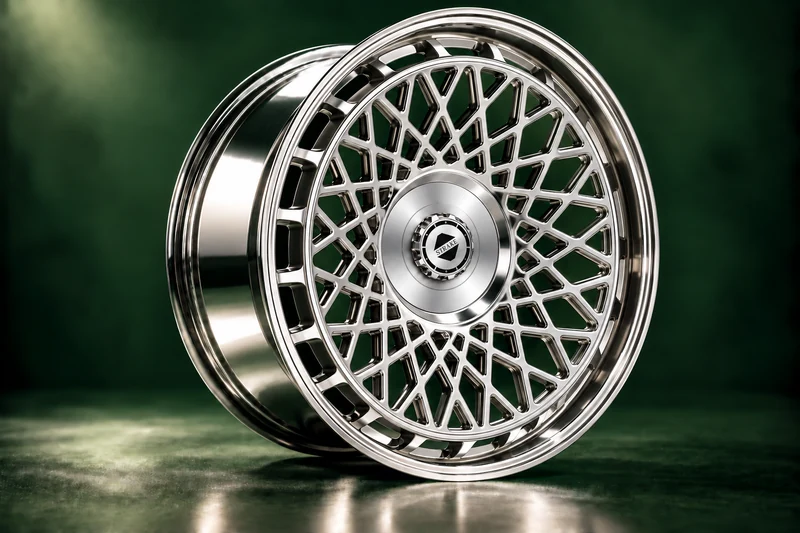
Describe the car you actually use.
Most cars sit somewhere between categories. A daily driver may spend summer weekends at shows. A weekend coupé may do several track days a year. Rather than choosing a label, write down the real use: regular mileage, roads, time outside, suspension setup and the events you attend. Mention what already works. You might want to keep the current ride height, retain a tyre size you know well or leave an original body completely untouched. Those details are much more useful than asking for a setup that is simply ‘aggressive’.
For the show car, separate parked and driven.
On a bagged car, the parked position is part of the presentation. The relationship between the lip, tyre and arch can be very exact, and a small visual change can alter the entire side profile. The car still has a driving position, with its own clearance requirements. Record both when discussing the wheels, along with the air suspension and any body changes. Use the show photograph to explain the appearance you want. Let a specialist establish the dimensions and clearances required for the way the car will move.
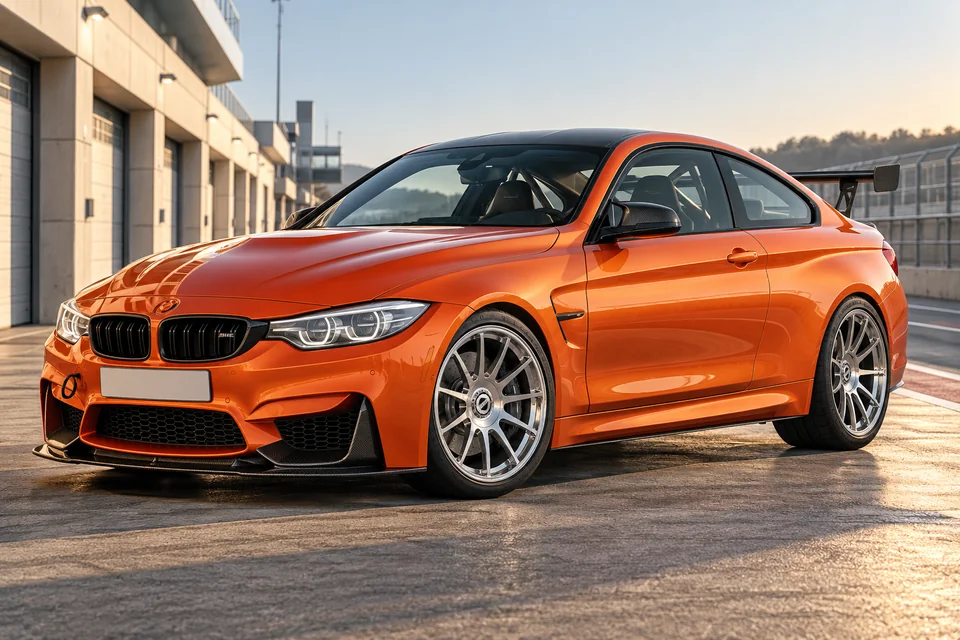
For the track car, specify the working package.
The starting point is the equipment the wheel has to work with: the brakes, tyres, suspension and the car’s intended use. Record the exact brake kit rather than only the disc diameter. The spoke profile and inside of the wheel must clear the caliper, and the brake supplier may provide an application drawing or template for checking that relationship. Agree the tyre package with someone qualified to assess it for the car. A wheel that photographs like a race wheel is not evidence of a suitable track specification.
For the road car, include the ordinary journeys.
Car parks, rough roads, a weekly wash and long trips deserve a place in the conversation. Explain what you value in the current setup and what you want to change. If comfort matters, say so. If the car lives outside, make that part of the finish choice. If you regularly drive with passengers or luggage, include that too. A road specification should be assessed around those real conditions. There is no need to borrow the visual language of a track car or a show car unless that is what you actually want.
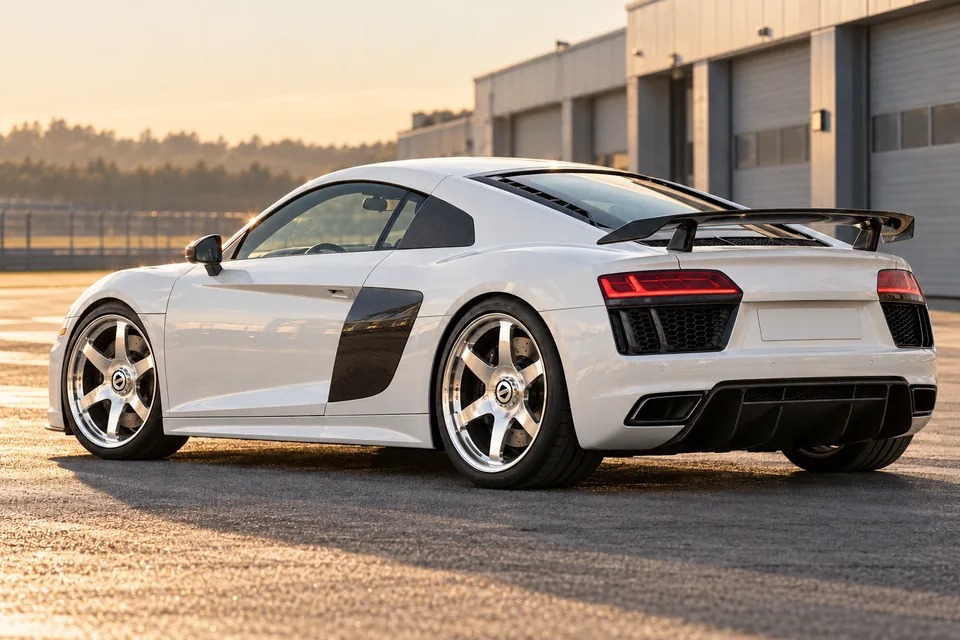
Make every reference earn its place.
Three useful images are better than thirty unexplained ones. In one you might like the open spoke pattern; in another, the finish; in a third, the amount of tyre visible beneath the arch. Write a short note against each. Include something you would change, too. A photograph of another car is a reference for appearance, rather than a set of wheel dimensions to transfer. Different brakes, suspension and bodywork can sit beneath an almost identical exterior.
Keep one complete specification.
When the choices come together, keep the vehicle details, design, finish, proposed wheel dimensions and tyre package in one place. Note who is checking the fitment and which brake or vehicle references were used. Price, delivery, fitting arrangements and terms belong alongside that specification before any order is agreed. The photograph explains how you want the car to look. The complete specification explains what is actually being selected. You need both.
Things to check on your car.
Keep your choices in one place.
Save yourself a list of the car, the wheel and the setup you have in mind.
Plan your wheels